Til Rate Today in Pakistan | March 2026
the till rate in Pakistan today. As of now, til (sesame seed) price in Pakistan ranges between 12,700 PKR to 15,500 PKR for 40 kg (1 mund). The price depends heavily on the quality and polish of the seeds, with both white and black sesame (till) available in the market.
Punjab, known for its highly fertile land—with over 94% of its soil being cultivable—remains the largest producer of sesame seeds in Pakistan. In various Ghalla Mandis across Punjab, the till rate today per kg falls between 200 to 320 PKR, depending on the quality and city.
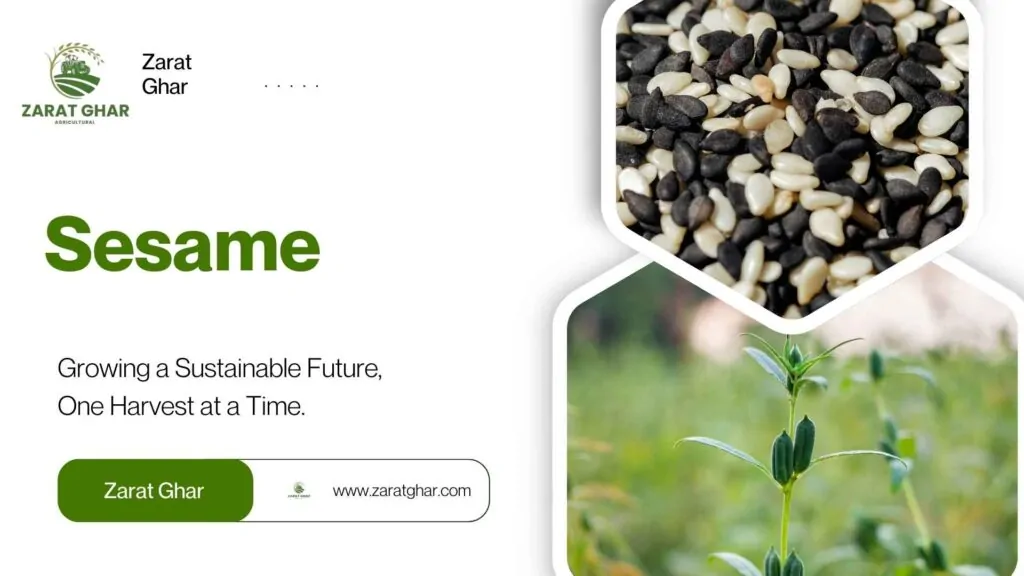
Til Rate Today | Punjab Pakistan
Punjab, being the heartland of agriculture, shows strong market activity when it comes to sesame price in Pakistan today. Here’s an overview of the white til rate today in Pakistan:
- Minimum Rate: 11,500 PKR per 40 kg
- Maximum Rate: 15,000 PKR per 40 kg
This pricing varies by mandi, seed type, and market demand. If you’re checking mandi price in Karachi, rates may slightly differ due to regional factors and transport costs.
| Punjab Cities | Minimum Price 40kg | Maximum Price 40kg |
|---|---|---|
| Lahore | Rs. 10000 | Rs. 12100 |
| Rawalpindi | Rs. 10900 | Rs. 12190 |
| Multan | Rs. 10100 | Rs. 12300 |
| Faislabad | Rs. 10780 | Rs. 12180 |
| Gujranwala | Rs. 10990 | Rs. 12500 |
| Sialkot | Rs. 10120 | Rs. 12610 |
| Hafizabad | Rs. 10600 | Rs. 12490 |
| Nankana Sahib | Rs. 10250 | Rs. 12170 |
| Bahawalpur | Rs. 10300 | Rs. 12700 |
| Gujrat | Rs. 10900 | Rs. 12190 |
| Dera Ghazi Khan | Rs. 10200 | Rs. 12370 |
| Sahiwal | Rs. 10310 | Rs. 12190 |
| Jhang | Rs. 10400 | Rs. 12790 |
| Bhawalnagar | Rs. 10150 | Rs. 12490 |
| Kasur | Rs. 10980 | Rs. 12350 |
| Chiniot | Rs. 10140 | Rs. 12300 |
| Khanewal | Rs. 10750 | Rs. 12550 |
| Sargodha | Rs. 10980 | Rs. 12700 |
| Rahim Yar Khan | Rs. 10150 | Rs. 12390 |
| Bhakkar | Rs. 10210 | Rs. 12470 |
| Muzaffargarh | Rs. 10170 | Rs. 12100 |
| Okara | Rs. 10220 | Rs. 12810 |
| Chakwal | Rs. 10280 | Rs. 12750 |
| Mianwali | Rs. 10950 | Rs. 12690 |
| Vehari | Rs. 10980 | Rs. 12850 |
| Sheikhupura | Rs. 10000 | Rs. 12890 |
| Pakpattan | Rs. 10180 | Rs. 12500 |
| Layyah | Rs. 10200 | Rs. 12490 |
| Narowal | Rs. 10160 | Rs. 12610 |
| Attock | Rs. 10300 | Rs. 12380 |
| Jhelum | Rs. 10700 | Rs. 12450 |
| Mandi Bahauddin | Rs. 10100 | Rs. 12100 |
| Burewala | Rs. 10130 | Rs. 12490 |
| Ahmedpur East | Rs. 10150 | Rs. 12360 |
| Muridke | Rs. 10970 | Rs. 12600 |
| Kamalia | Rs. 10210 | Rs. 12580 |
| Kot Addu | Rs. 10150 | Rs. 12650 |
| Sadiqabad | Rs. 10010 | Rs. 12590 |
| Daska | Rs. 10080 | Rs. 12000 |
| Gojra | Rs. 10950 | Rs. 12670 |
| Khanpur | Rs. 10900 | Rs. 12650 |
| Chishtian | Rs. 10090 | Rs. 12900 |
| Khushab | Rs. 10100 | Rs. 12390 |
| Jaranwala | Rs. 10900 | Rs. 12380 |
| Bhalwal | Rs. 10950 | Rs. 12800 |
| Hasilpur | Rs. 10180 | Rs. 12450 |
| Kamoke | Rs. 10020 | Rs. 12600 |
| Haroonabad | Rs. 10960 | Rs. 12510 |
| Arifwala | Rs. 10150 | Rs. 12200 |
| Samundri | Rs. 10080 | Rs. 12750 |
| Lodhran | Rs. 10050 | Rs. 12800 |
Til Price in Sindh 2026
| Sindh Cities | Minimum Price 40kg | Maximum Price 40kg |
|---|---|---|
| Karachi | Rs. 10600 | Rs. 12900 |
| Sukkur | Rs. 10200 | Rs. 12790 |
| Hyderabad | Rs. 10550 | Rs. 1500 |
| Jacobabad | Rs. 10480 | Rs. 12520 |
| Larkana | Rs. 10590 | Rs. 12650 |
| Badin | Rs. 10390 | Rs. 12880 |
| Khairpur | Rs. 10450 | Rs. 12780 |
| Sanghar | Rs. 10250 | Rs. 12560 |
| Kashmore | Rs. 10320 | Rs. 12300 |
| Dadu | Rs. 10280 | Rs. 12550 |
| Ghotki | Rs. 10490 | Rs. 12000 |
| Mirpur Khas | Rs. 10510 | Rs. 12900 |
| Tando Allahyar | Rs. 10620 | Rs. 12890 |
| Thatta | Rs. 10100 | Rs. 12300 |
| Umarkot | Rs. 10200 | Rs. 12490 |
| RCW Rohri | Rs. 10000 | Rs. 12380 |
| Sakrand | Rs. 10680 | Rs. 12450 |
| Moro | Rs. 10710 | Rs. 12850 |
| Kotri | Rs. 10520 | Rs. 12490 |
| Jamshoro | Rs. 10740 | Rs. 12550 |
| Tando Adam | Rs. 10920 | Rs. 12480 |
| Kambar Ali Khan | Rs. 10750 | Rs. 12600 |
| Mirpur Mathelo | Rs. 10100 | Rs. 12510 |
| Gambat | Rs. 10050 | Rs. 12380 |
| Sehwan | Rs. 10210 | Rs. 12400 |
| Mithi | Rs. 10950 | Rs. 12280 |
| Nawabshah | Rs. 10730 | Rs. 12150 |
| Qambar | Rs. 10990 | Rs. 12560 |
| Malir Cantonment | Rs. 10390 | Rs. 12400 |
| Islamkot | Rs. 10100 | Rs. 12810 |
Sesame Cultivation Areas in Pakistan
Many parts of Pakistan have a hot and dry climate, making it the perfect place for sesame. The main cultivation regions include:
- Punjab: Sesame grows in districts such as Bahawalpur Rahim Yar Khan and Vehari. Sesame is one of the most important crops in Punjab, thanks to its fertile soils and irrigation systems.
- Sindh Sindh is known for its favorable climate and produces large amounts of sesame in the districts of Tharparkar Sanghar and Hyderabad.
- Khyber Pakhtunkhwa: Although sesame production is lower in KP than it is in Punjab and Sindh districts like Dera Ismail Khan or Tank are also important.
- Balochistan Due to government initiatives and farmer interests, the cultivation of sesame is slowly expanding in Balochistan. This is especially true in areas with water availability that supports oilseed farming.
Sesame is a crop that is grown in Pakistan and exported to other countries, including China, South Korea, Japan and Middle Eastern nations. This means its price fluctuation is closely linked to the international demand.
Factors affecting the price of sesame seeds in Pakistan
Sesame seeds prices in Pakistan are never the same. It is influenced by both domestic and international factors. Break them down.
1. Supply and Demand
Prices often drop when local markets are overrun by the abundance of harvest. When demand is high but supply is low, prices rise.
2. Weather Conditions
Sesame is very sensitive to the weather. Sesame is highly sensitive to weather.
3. Pests and diseases
Sesame quality and yield are affected by pests such as leaf rollers, and diseases like bacterial blight. Affected crops reduce production and market quality. This increases prices.
4. Government Policies
Sesame prices are directly affected by policies on export incentives, seed subsidies and import tariffs. Prices may rise if the government promotes sesame exports.
5. International Market Influence
Sesame being a major crop exported, the global price and demand trends have a strong influence on domestic prices. If China increases its imports, for example, the prices in Pakistan will automatically increase.
6. Currency Exchange Rates
Exporters are paid in dollars but farmers in rupees. Exporters benefit more if the rupee falls against the dollar. This can increase the price of sesame seeds.
7. Production Costs
Sesame production is affected by the cost of inputs such as fertilizers, seeds, pesticides and labor. Costlier cultivation results in higher prices on the market.
How farmers can earn more from the current price of sesame seed in Pakistan
Sesame farmers need to adopt smart farming and marketing techniques in order to maximize their profits.
- Crop diversification: Growing other crops alongside sesame reduces financial risks and stabilizes income during price fluctuations.
- Effective Farm Management: Proper irrigation, timely sowing and the use of certified seed increase yields.
- Collective Bargaining and Cooperatives: Farmers who join cooperatives can negotiate better prices, and reduce the exploitation of middlemen.
- Subsidies and Government Support: Farmers can get subsidies for certified seeds, fertilizers and crop insurance.
- Market intelligence: Staying up to date on daily sesame seeds prices in Pakistan will help farmers sell at the best time.
- Value-added: The processing of sesame seeds into oil, tahini or sesame snacks will increase earnings over selling the raw seeds.
- Timing and Storage: Farmers that can store sesame in a warehouse after harvesting may be able to sell it later, when the demand increases, at a higher price.
Understanding Sesame Prices Fluctuations In Pakistan
Sesame prices can fluctuate for many reasons, just like the price of wheat, maize or rice. Farmers and traders need to understand the dynamics of sesame prices.
- Crop diversification: Planting sesame along with cotton, maize or pulses will stabilize farm income.
- Efficient Farm management: Good irrigation and weed control as well as balanced fertilizer usage reduce costs and improve crop yield.
- Collective bargaining: Farmers unions can guarantee fair trade and better prices.
- Government Subsidies Policies like minimum support prices and export rebates stabilise local prices.
- Market Intelligence. Accessing platforms such as Zarat Ghar to get updated market prices helps farmers decide when they should sell.
- Value Added: Sesame oil, halva or bakery products can be made from raw seeds to add more value.
- Storage Facilities Properly storing sesame protects it from moisture and pests. This allows farmers to store stock for lucrative selling seasons.
Why high-quality sesame seed is necessary for high yield
Sesame farming is only profitable if you use high-quality seeds. Some of the key reasons are:
- Genetic Potential Improved seeds varieties provide higher oil content, and better yield.
- Crop Yield Like superior cotton or wheat seed, superior sesames seeds directly increase productivity.
- Disease Resistant Seeds: Resistant seeds reduce losses due to fungal and bacterial disease.
- Adaptability Quality Seeds perform well in different soils and climates.
- Consistency : The uniformity of crop growth and maturity makes harvesting easier.
- Reduced Costs: Healthier seed requires fewer pesticides, fertilizers and other inputs.
- Diversification of Crops: The availability of improved sesame seeds encourages diversification.
- Future Agriculture: Strong Seed Systems Prepare Pakistan for Sustainable Oilseed Production in the Future
Increase Sesame production in Pakistan
Pakistan must increase sesame production to meet the growing demand both locally and internationally. Here’s how:
- Selecting Right Varieties Farmers must choose disease-resistant and high-yielding sesame varieties that are suitable for their area.
- Sowing Quality Seeds and Properly: Certified seeds and timely sowing improve germination and yields.
- Better Irrigation practices: Sesame is drought resistant, but controlled irrigation at critical phases enhances yield.
- Fertilization and Soil Health: A balanced use of inorganic and organic fertilizers increases soil fertility.
- Pest and Disease Management Integrated Pest Management (IPM) techniques improve productivity and reduce damage.
- Weed control: Regular weeding will ensure sesame plants receive sufficient nutrients.
- Education and Training: Government and NGO programs are needed to educate farmers about modern farming techniques.
- Access Credit and Resources: Small farmers can expand sesame production with easier access to farm inputs and loans.
- Post Harvest Management: Proper cleaning, drying, and storage improves quality and fetches higher market prices.
- Adoption of Research and Technology: Investments in hybrid sesame varieties and technology can boost yields.
Current Sesame seed price in Pakistan
Sesame seeds prices in Pakistan vary daily, depending on the supply, demand and international market trends. On average:
- The price of sesame seeds at wholesale ranges from PKR 12700 to 15,500 per 40kg depending on the region and quality.
- Export-quality white sesame seeds fetch higher prices due to their high demand on foreign markets.
- Due to regional differences in supply and transportation costs, prices may differ slightly between Sindh and Punjab.
For the latest sesame prices, farmers and traders can rely on reliable sources such as Zarat Ghar and local market committees.
Conclusion
Sesame seed is a valuable commodity for Pakistan. It can be used as both a local crop and an export product. Sesame seeds are a valuable commodity in Pakistan, but the price is affected by many factors. These include weather, pests, international market trends, and government policies. Farmers who use quality seeds, adopt modern farming techniques, and employ smart marketing strategies are able to maximize their profits, even during price fluctuations.
Pakistan can become a leader in sesame exports in the region with the right policies and investments in research. For all stakeholders–farmers, traders, exporters, and consumers–keeping a close watch on sesame seed price trends is the key to making informed decisions and securing long-term benefits.
See Also;