Garlic Price in Pakistan | November 2026
The garlic (lehsan) price in Pakistan in November 2026 is about Rs. 220 – Rs. 420 per kg in the official Lahore rate list (31 October 2026): desi garlic is Rs. 220 – 230, Harnai (Balochistan) garlic Rs. 335 – 350 and imported China garlic Rs. 400 – 420 per kg. The PBS national average is about Rs. 404 per kg (week ended 29 October 2026). Garlic planting for the next crop has just finished (mid-September to October).
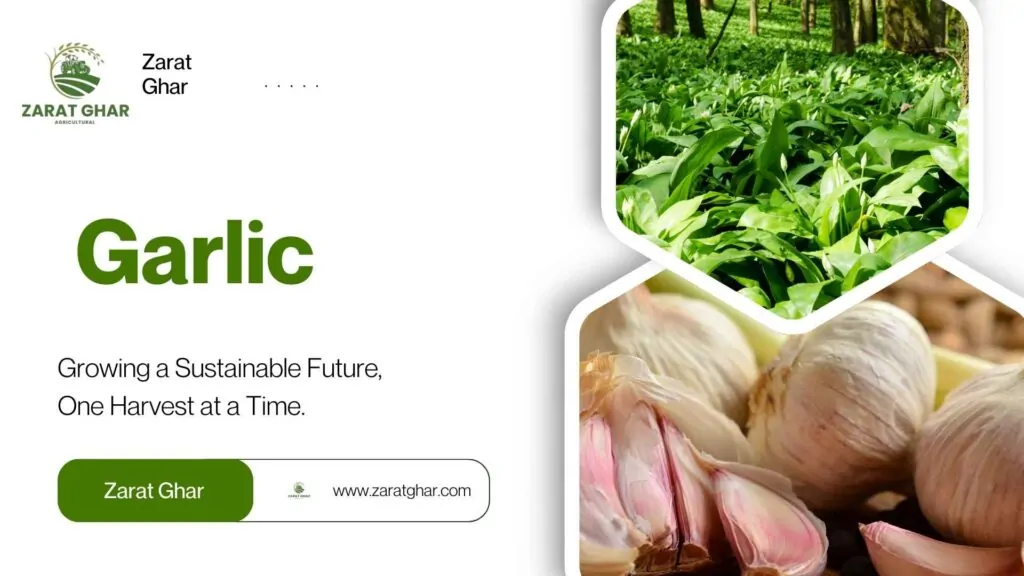
Garlic, or Lahsun, is an essential ingredient in almost every household in Pakistan. Be it a curry, biryani, or even an Ayurvedic dish, garlic ka lahsun is a must. Also, for the consumers as well as for the farmers, it is important to understand both the garlic rate in Pakistan and the garlic growing season. This guide will discuss market price trends, inter-regional price differences, along with a comprehensive guide to garlic farming in Pakistan.
Garlic Rate in Pakistan for November 2026
Currently, in 2026, garlic price is still varying from city to city and is dependent on the quality as well. Below is a table summarizing the prices in each city.
| Garlic Type (Lahore) | Grade A (per kg) | Grade B (per kg) |
|---|---|---|
| Desi garlic (لہسن دیسی) | Rs. 230 | Rs. 220 |
| Harnai garlic (لہسن ہرنائی) | Rs. 350 | Rs. 335 |
| China garlic (لہسن چائنہ) | Rs. 420 | Rs. 400 |
Source: Official retail rate list, Market Committee Lahore / PAMRA, 31 October 2026 (Grade A = اول, Grade B = دوم). Prices in other cities are usually within 10–20% of Lahore rates.
There are a number of factors as to why prices are set at a certain range, seasonally available supply, transportation, and even the rate of imports all play a crucial role.
We noticed in the past that garlic price in Pakistan had been skyrocketing due to the high demand from the rest of the country paired with low imports from China.
Rising Import Price: High Cost of shipment and customs is a huge set back as the endorsed price of the product is comparatively low.
Lack of Domestic Production: In comparison, the ratio of garlic imports from China is way higher than the ratio of it being produced in Pakistan.
Seasonal mismatches: Gaps is the supply and demand mismatch between the growing and non harvest season.
Pest and climate: Reduced hits vertically undermining the supply for neighboring local markets.
To traders and farmers, having knowledge of the growing cycle can help sync production and stock with demand.
Pakistan garlic growing season
Garlic planting season is critical for stakeholders in Pakistan. Like most crops, garlic is planted during the cool season
Key Stages of Garlic Cultivation in Pakistan:
| Stage | Timeline |
|---|---|
| Land Preparation | August – September |
| Planting | Mid-September – October |
| Vegetative Growth | November – January |
| Bulb Formation | February – March |
| Harvesting | April – Early May |
| Marketing/Storage | May – July |
Best climate for garlic
Garlic needs cool weather early on followed by warm dry weather during maturity. During the bulb forging stage excess rain can cause bulbers to rot fungus and other forms of rot.
Best selling garlic in Pakistan
The two common types of garlic distinguishing Pakistan includes:
- Local Lahsun: This type has smaller bulbs with a stronger flare and is in high demand.
- Chinese Garlic: Larger bulbs but lower taste with higher yield and is most of the time in the imported category.
The lower yield on local farmers is now shifting toward local lahsun due to market demand and profits especially in urban markets where organic is in demand.
Garlic Farming Profit in Pakistan
Garlic is regarded as a high-value cash crop owing to its strong market prices and storability. Here is a simple calculation for garlic farming economics per acre.
| Item | Cost (PKR) |
|---|---|
| Seed (400–500 kg) | 80,000 – 100,000 |
| Fertilizers & Pesticides | 25,000 – 35,000 |
| Labor & Irrigation | 30,000 – 40,000 |
| Total Cost per Acre | 140,000 – 175,000 |
- Yield Per Acre: 3,500 – 4,500 kg (approx)
- Selling Price: depends on the harvest-time market (retail Rs. 220–420/kg in November 2026; farm-gate is lower)
- Estimated Revenue: yield × farm-gate price at harvest
- Net Profit: revenue minus the input costs shown below; it changes a lot with the harvest price
Garlic farming in Pakistan can be very profitable, provided that proper management practices are employed.
Challenges in Garlic Farming
Profit potential aside, there are some difficulties in garlic farming:
- High Input Costs: Seed garlic is both costly and frequently imported.
- Pests & Diseases: Thrips, white rot, and nematodes can dampen yield greatly.
- Lack of Storage Facilities: Poor storage after harvest can lead to spoilage.
- Limited Access to Market: Farmers from far-off places find it difficult to access urban markets to sell their produce.
Investing in cold storage and processing facilities can help reduce wastage and stabilize prices of garlic throughout the year.
Government Support & Subsidies
With its various agricultural departments, the Pakistani government sometimes grants subsidies on garlic seeds, fertilizers, and even offers some courses. To lower the import dependency, Punjab and Khyber Pakhtunkhwa have started initiating garlic farming zones.
Garlic Supplements: Raw Garlic
Many consumers are wondering if it is better to consume garlic suppleme or take raw such as garlic pills . benefits are similar for both, but eating raw garlic includes its natural enzymes which are destroyed when garlic is processed into pills. Garlic Supplements can be easier for people who do not like the taste of raw, unprocessed garlic.
Conclusion
The garlic price in Pakistan 2026 will be influenced by many factors, including the climate, cultivation methods, and international trade. Prices will fluctuate as the growing season affects the supply. Garlic benefits are undeniable, regardless of whether it is consumed raw or as a supplement. The garlic plant is not only a vital ingredient for kitchens, but it also provides numerous health benefits. This makes it a valuable crop in Pakistan.
See Also;