Maize Rate Today in Pakistan | November 2026
The makai (maize) rate today in Pakistan is between Rs. 2,240 and Rs. 3,680 per 40kg, with a Punjab mandi average of about Rs. 2,790 (AMIS, 2 November 2026). In Punjab, DG Khan (Rs. 3,680), Rawalpindi (Rs. 3,300) and Toba Tek Singh (Rs. 3,200) have the highest makki rates, while Okara is around Rs. 3,158 and Sahiwal, Burewala and Jauharabad are near Rs. 2,240–2,350 as new-crop arrivals increase.
See all crops in one place: mandi rates today in Pakistan (aaj ka mandi rate).
The rate of corn in Pakistan today 40 kg varies slightly across the country depending on demand and supply. The price of corn per ton today on the wholesale market reflects regional variations. It is important to monitor daily updates from reliable mandi sources.
To forecast trends, farmers compare current rates with past seasons. Prices usually dip during harvest when supply is high and recover a few weeks later, so farmers with storage can get a better price.
Maize rate today in Pakistan and the growing season: A comprehensive guide
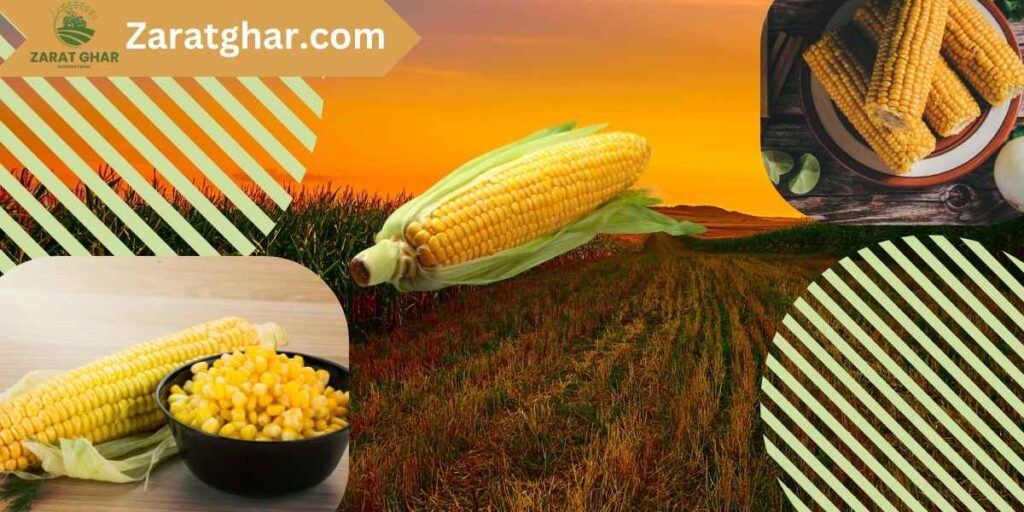
Maize is an important crop in Pakistan for livestock feed and human consumption. Farmers and traders are closely monitoring the maize price today in Pakistan due to an increasing demand for corn products and animal feed. Understanding the current price of corn in Pakistan today is important for making informed decisions, whether you are a consumer, an investor or a farmer.
Maize Price in Punjab – Pakistan
Rafan Mills is one of the renowned industries in Pakistan that produces corn oil, corn flour, and other byproducts. Feed also makes corn-based products which is used for poultry. Corn product value-added increases its price.
| Mandi / City | Maize Rate (40kg) | Per kg |
|---|---|---|
| Arifwala | Rs. 2,470 | Rs. 62 |
| Bhakkar | Rs. 2,900 | Rs. 73 |
| Burewala | Rs. 2,275 | Rs. 57 |
| Chichawatni | Rs. 2,650 | Rs. 66 |
| Dera Ghazi Khan | Rs. 3,680 | Rs. 92 |
| Faisalabad | Rs. 3,050 | Rs. 76 |
| Jauharabad | Rs. 2,350 | Rs. 59 |
| Kamalia | Rs. 2,750 | Rs. 69 |
| Layyah | Rs. 2,520 | Rs. 63 |
| Mailsi | Rs. 2,650 | Rs. 66 |
| Multan | Rs. 3,100 | Rs. 78 |
| Okara | Rs. 3,158 | Rs. 79 |
| Pakpattan | Rs. 2,580 | Rs. 65 |
| Rawalpindi | Rs. 3,300 | Rs. 83 |
| Sahiwal | Rs. 2,240 | Rs. 56 |
| Toba Tek Singh | Rs. 3,200 | Rs. 80 |
| Vehari | Rs. 2,550 | Rs. 64 |
Maize Rate Today in Khyber Pakhtunkhwa (KPK)
| Mandi / City | Maize Rate (40kg) | Per kg |
|---|---|---|
| Peshawar | Rs. 3,117 | Rs. 78 |
| Mardan | Rs. 3,059 | Rs. 76 |
| Swat (Mingora) | Rs. 3,059 | Rs. 76 |
Maize Price in Sindh
| Mandi / City | Maize Rate (40kg) | Per kg |
|---|---|---|
| Hyderabad | Rs. 2,972 | Rs. 74 |
| Karachi | Rs. 3,001 | Rs. 75 |
| Sukkur | Rs. 2,972 | Rs. 74 |
Wholesale mandi rates for November 2026 (AMIS Punjab, 2 November 2026; mandis with no new AMIS report keep their last recorded rate). In Balochistan, maize is about Rs. 3,261 in Quetta and Rs. 3,290 in Khuzdar per 40kg.
See also: Cotton Rate Today in Pakistan
Corn International Market Prices and Impact
International corn prices influence Pakistan’s maize market indirectly. When global corn and feed prices rise, local feed mills and starch makers pay more for maize, and when import prices fall, local rates come under pressure.
Local traders adjust the rate of corn today in Pakistan when international prices rise, especially for industrial and processed goods. the rafhan Maize Rate Today, for example, can more quickly reflect global changes due to refined products demand.
The Maize Season in Pakistan
Pakistan experiences two main maize growing seasons:
- Spring Crop: Mostly in Punjab and Sindh. Due to the favorable temperature and hybrid seed usage, this crop offers higher yields.
- Autumn Crop July-October: Common in Khyber Pakhtunkhwa, and the northern regions. The monsoon season is a boon for this crop, but it also comes with higher pest risks.
Understanding the seasons can help predict pricing and market availability. During harvest, for example, the wholesale price of maize may temporarily drop due to an excess supply. After harvest, however, prices usually rebound to the benefit of those who store or trade maize.
Corn Market Interconnection
The rate of soya beans in Pakistan affects livestock feed as well. The corn rate is affected by soybean price increases. Feed millers and poultry producers track both prices together.
Conclusion
The maize price today in Pakistan can be a crucial economic indicator for agriculture and livestock. Stakeholders must stay informed about corn prices on the international market and price variations in different regions, such as Punjab, Multan and Okara. Understanding the Pakistan maize growing seasons can provide insight into future market conditions.
Staying informed is key to a successful strategy, whether you’re planning your crop or looking at the corn rate in Pakistan today.