Wheat Price Kyun Barh Rahi Hai? Record Fasal Ke Bawajood
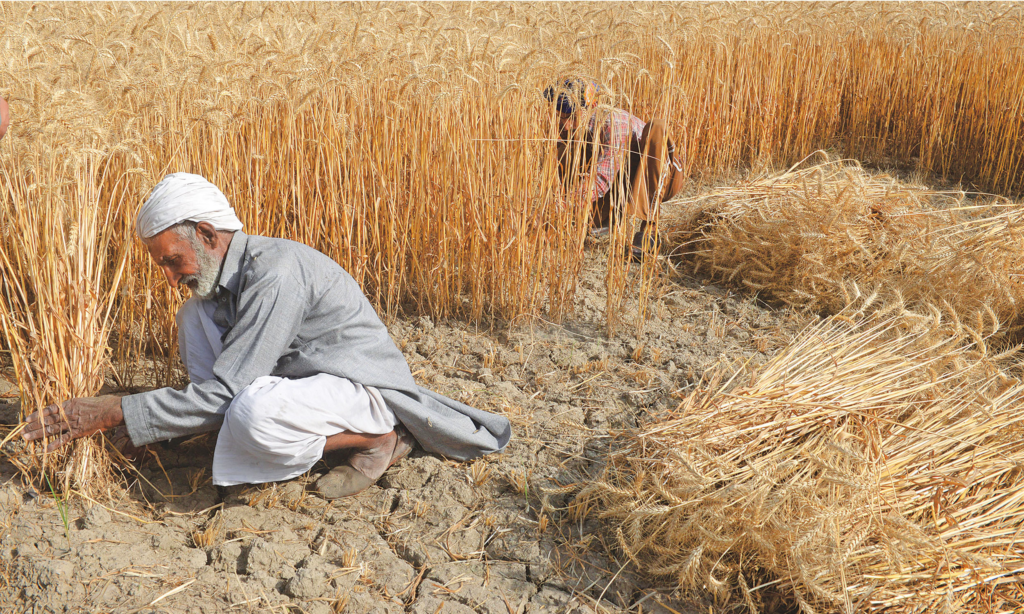
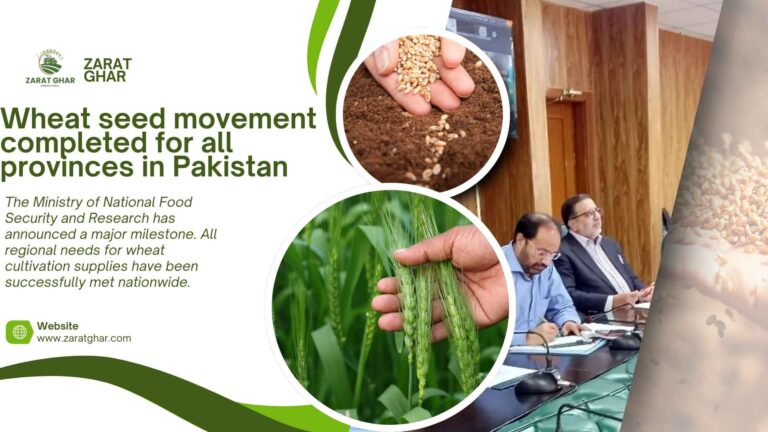
Punjab’s chief minister announced a record wheat harvest of 22 million tonnes this season. Normally, a bumper crop should mean cheaper flour on every dinner table. Instead, wheat and flour prices are creeping up again, and farmer groups, flour millers, and agricultural associations are all warning of a fresh wheat crisis before the year is out.
If that sounds contradictory, it is — and understanding why is important for every farmer, trader, and household budgeting for atta this year.
A Record Crop, But Farmers Sold at a Loss
Many wheat growers had no choice but to sell their harvest immediately after cutting, often at rates well below what the crop later fetched in the open market. Farmers in districts like Sheikhupura say better government planning around procurement timing and pricing could have protected both growers and consumers — instead, growers absorbed the losses upfront, and now the same wheat is becoming expensive for everyone else.
This is a recurring pattern in Pakistan’s wheat economy: without strong, timely government procurement at fair support prices, farmers are forced into distress sales right after harvest. Middlemen and stockists then buy cheap and release supply slowly, driving prices up months later.
The Bigger Picture: A Shrinking Production Forecast
It’s not just a distribution problem — supply itself is under pressure. The US Department of Agriculture’s Foreign Agricultural Service has revised Pakistan’s 2026/27 wheat production forecast down to 29 million tonnes, citing late-season heat stress and severe storms that trimmed roughly 680,000 tonnes off earlier estimates.
While that figure roughly matches last year’s output, it’s nearly 2.5 million tonnes below the 2024/25 crop — a meaningful drop for a country where wheat is the single most important staple.
Domestic wheat flour prices had already increased by around 38% between July 2025 and January 2026, largely blamed on stock losses and market disruption caused by monsoon flooding in August 2025, along with shifts in government procurement policy and speculative buying by traders.
Why the Import Ban Complicates Things
Despite tighter supplies and rising domestic prices, Pakistan is still maintaining its ban on both wheat imports and exports. The government says it’s monitoring the market closely and may lift the import ban later in the marketing year if the supply situation doesn’t improve — but for now, the country can’t easily bridge any shortfall with cheaper wheat from abroad.
There are also reports of government-to-government procurement talks with countries like Russia and Kazakhstan for wheat at below-market rates, which could ease pressure if they materialize in time. Whether those deals close — and how quickly — will likely shape how the rest of 2026 plays out for flour prices.
The Water Problem Behind the Wheat Problem
There’s a longer-term issue sitting underneath all of this: irrigation water. Pakistan’s two major reservoirs, Tarbela and Mangla, have been running at critically low levels in recent growing seasons — in some reports, close to “dead level,” where water can no longer flow out naturally.
For Punjab and Sindh, which depend heavily on canal irrigation for their wheat crop, this is a serious long-term concern. Water demand has grown enormously since the 1970s, while storage capacity has dropped by roughly a third due to siltation. Without addressing this, Pakistan’s wheat output will keep facing headwinds no matter how the procurement policy is handled.
What This Means for Farmers and Households
For farmers: Watch government announcements on support price and procurement timing closely this season. Where possible, avoid distress selling immediately after harvest if storage options are available — prices tend to firm up in the following months.
For households: Flour prices are likely to stay volatile through the rest of the marketing year. If the import ban is lifted or the Russia/Kazakhstan deals go through, some relief could follow — but neither is guaranteed on a fixed timeline.
For traders and millers: Keep an eye on procurement policy shifts and any signals around the import ban, since both will move mandi rates quickly once announced.